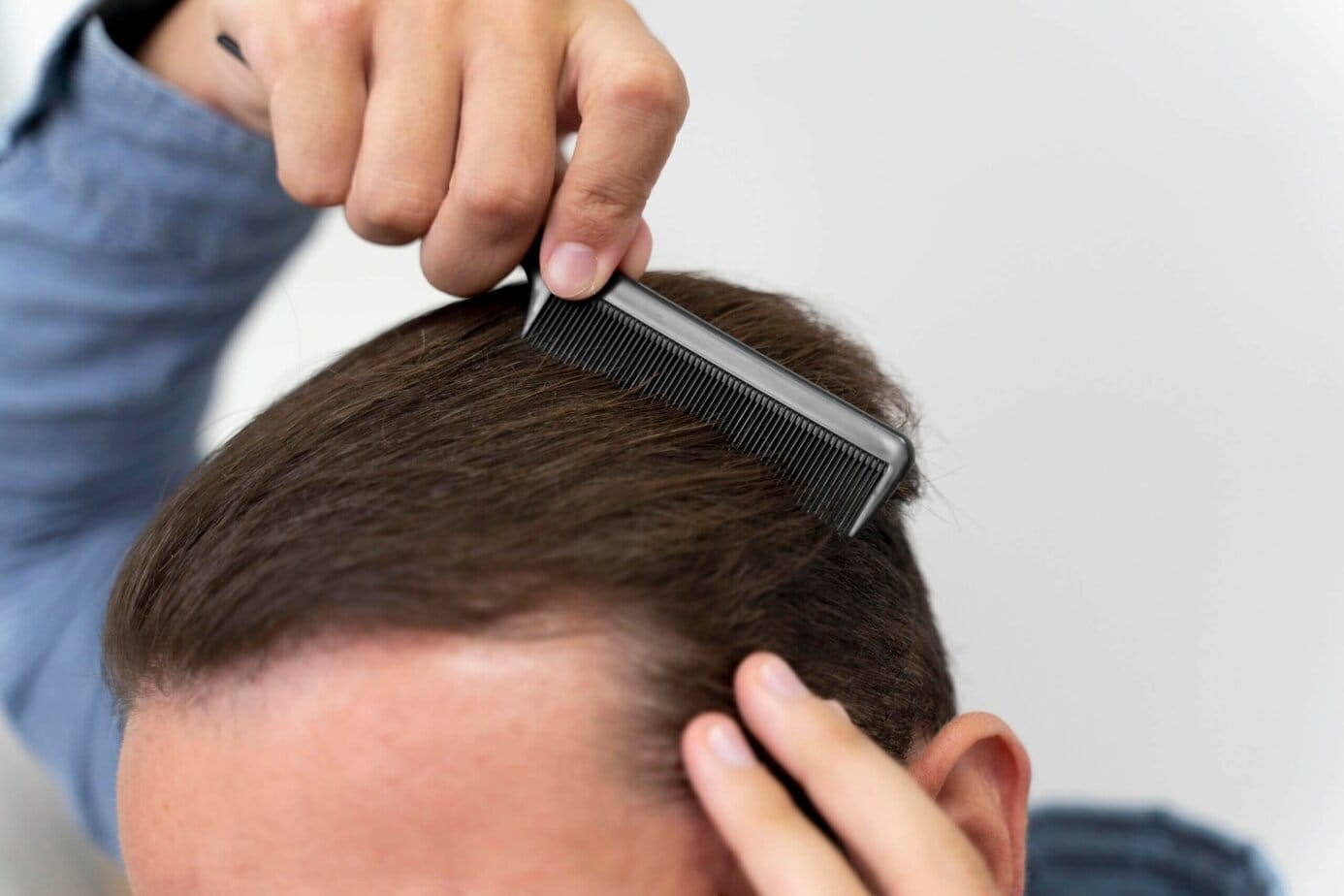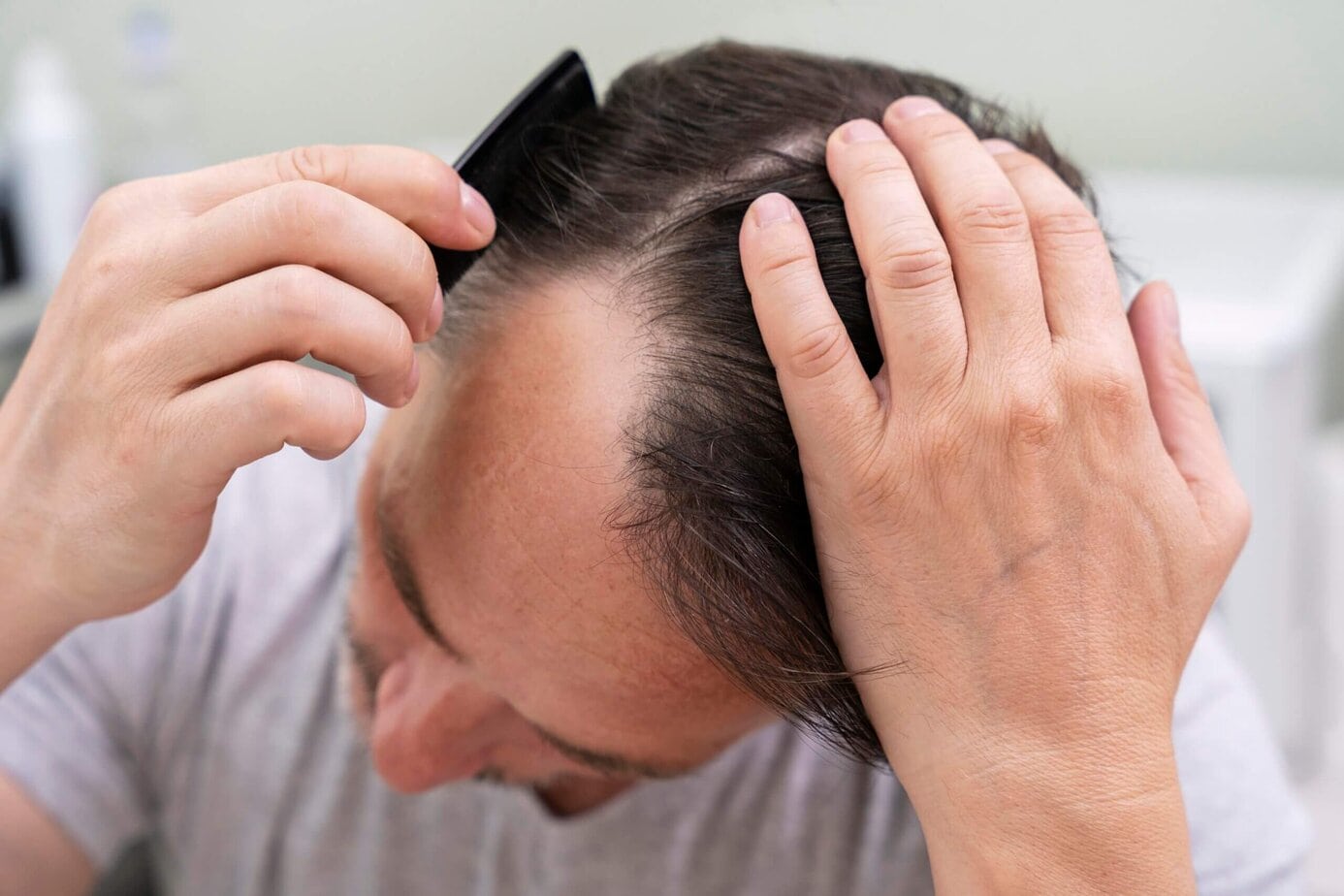
Hair loss is one of the most common concerns for men and many worry it’s inevitable if their father is bald. But is having a bald dad a guarantee that you’ll go bald, too? Science says: not necessarily. Let’s dig into the genetics, hormones, and real risk factors behind male pattern baldness.
Genetic Risk: More Than Just Dad’s Hairline
Male pattern baldness (androgenetic alopecia) has a strong genetic component — but it’s not as simple as “dad = baldness.” Family studies show that while having a bald father does increase your risk, it’s only part of the picture. In a study of men assessed for hair loss, researchers found that those whose fathers had baldness were about 2.5 times more likely to show signs of hair loss themselves.
However, that doesn’t mean this condition is inherited only through the paternal line. One of the key genes associated with baldness — the androgen receptor (AR) gene — is located on the X chromosome, which men inherit from their mothers, not their fathers. This is one major reason why the idea that baldness is “only from your mother’s side” has stuck around. fire.biol.wwu.edu+1
But the genetic story doesn’t stop there. Research shows that there are also autosomal genes (not on sex chromosomes) that influence baldness. Variants on chromosome 20 (for example, 20p11) have been linked to increased risk. In other words: you inherit hair-loss risk from both parents, not just dad or mom.
Hormones: The Real Culprit Behind Follicle Shrinkage
Having the right genetic background doesn’t automatically mean you’ll go bald — hormones play a crucial role in whether those genes are “turned on” or not. The hormone dihydrotestosterone (DHT) is especially important. DHT is derived from testosterone via the enzyme 5-alpha-reductase, and it binds strongly to androgen receptors on hair follicles. Medical News Today
When DHT attaches to follicles, it triggers a process called miniaturization. Over time, the follicles become smaller, the growth (anagen) phase of hair shrinks, and hair becomes finer and thinner — eventually turning into “vellus” hair, which looks like very fine peach fuzz. Elevated sensitivity of follicles to DHT is what causes many cases of male pattern baldness. medcraveonline.com
Enzyme studies show there are two types of 5-alpha reductase: Type I and Type II. Type II, in particular, is highly expressed in scalp follicles and is the target of medical treatments like finasteride. PubMed+1
It’s Not Just Genetics and Hormones
In addition to inherited risk and hormones, other factors matter too:
Age: Hair loss risk increases as you get older. Studies adjust for age when estimating the influence of family history. Karger Publishers
Lifestyle: Diet, stress, sleep quality, and overall health can influence hair health.
Medical conditions: Hormonal imbalances or other underlying issues can accelerate hair loss.
Hair care habits: Harsh treatments, chemical processes, and aggressive styling can worsen thinning over time.
So, Will You Go Bald If Your Dad Is Bald?
Yes, your risk may be higher, but it’s far from a guarantee.
Because baldness is polygenic (influenced by many genes), having a bald father does not mean you are doomed. bernsteinmedical.com+1
Hormonal sensitivity, especially to DHT, is often the “switch” that activates genetic risk.
Other non-genetic factors (age, lifestyle, health) also play a significant role.
What Can You Do If You’re Worried?
If you’re concerned you might lose your hair, the good news is: there are effective medical solutions. These include:
5-alpha-reductase inhibitors like finasteride, which reduce DHT production. FirstPointMD
Minoxidil, a topical treatment that can help stimulate follicle activity.
In more advanced cases, platelet-rich plasma (PRP) treatments or hair transplantation can be considered.
Early intervention is key starting treatment before hair loss becomes severe often yields better results.
Final Word
While a bald father may increase your chances of experiencing hair loss yourself, it doesn’t seal your fate. Male pattern baldness is a complex condition shaped by both parents’ genes, hormone activity, and lifestyle factors. Understanding your personal risk is the first step and from there, you can explore medical solutions that truly make a difference.
Worried about hair loss?
Get a free consultation with Clinista today → Book your free consultation and explore tailored, science backed treatment options designed to slow down or even reverse thinning.

References & Further Reading
Family history and risk of hair loss. Karger Publishers. Karger Publishers
Genetic analysis of male pattern baldness and the 5α-reductase genes. PubMed. PubMed
How DHT causes hair loss. Medical News Today. Medical News Today
Genomics of baldness: Insights from Bernstein Medical. bernsteinmedical.com
Inheritance patterns in balding: The Tech Interactive. thetech.org
Biochemistry of DHT and androgen receptor. NCBI Bookshelf. NCBI